
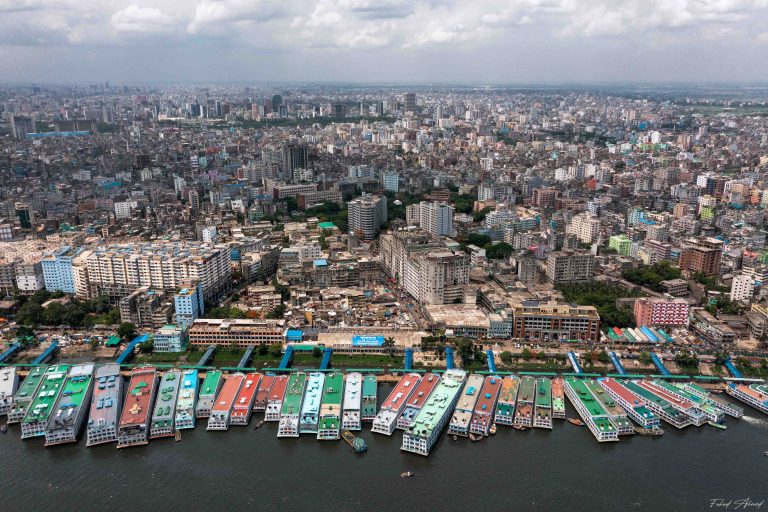
Planning a Bangladesh tour? Dhaka is the best place to begin understanding the country’s history, river life and everyday culture. The capital brings together Mughal-era landmarks, grand riverside buildings, working markets, places of worship and the stories of Bangladesh’s independence. This local guide introduces 13 places to visit in Dhaka, including the famous Pink Palace, Lalbagh Fort, Sadarghat, Old Dhaka’s lanes and the Liberation War Museum.
Use the list to build a route that suits your interests. Dhaka traffic can make short distances take time, so allow room to explore and avoid trying to rush through every stop in one day. Markets, mosques, temples, university grounds and shipyards are living places: follow local guidance and be considerate of residents, worshippers, students and workers.
13 places to visit in Dhaka, Bangladesh
01Ahsan Manzil (Pink Palace)
Set beside the Buriganga River, Ahsan Manzil is one of Dhaka’s most recognisable historic buildings. Its pink exterior, domed roof and formal rooms earned it the name Pink Palace. Once the official residence and seat of the Nawab of Dhaka, the palace now functions as a museum, offering a window into the city’s political and social history.
Why go: Palace architecture, museum displays and a memorable Old Dhaka riverside setting. Check the current museum schedule before visiting, and consider pairing it with Sadarghat.
02Lalbagh Fort
Lalbagh Fort is an unfinished 17th-century Mughal complex in the old city. Inside its walls, gardens and water features connect notable structures including the mosque, audience hall and the tomb of Pari Bibi. The fort is a rewarding stop for visitors interested in Mughal history and the architectural heritage of Bangladesh.
Visitor tip: Allow time to walk through the full complex, wear comfortable shoes and check current opening arrangements. Combine it with nearby Old Dhaka sights rather than crossing the city between each stop.
03Sadarghat Riverport
Sadarghat Riverport is one of the busiest and most atmospheric places to experience Dhaka’s connection with the Buriganga. Passenger launches, small boats, porters and riverside traders animate the waterfront. The scene offers a vivid introduction to Bangladesh as a river country and to the daily movement of people and goods.
Visitor tip: The terminal is crowded and active. Keep belongings secure, follow directions from local staff and use only authorised boat services. A short river ride can add a different perspective to an Old Dhaka tour.
04Kawran Bazar (Karwan Bazar)
Kawran Bazar—also written Karwan Bazar—is a major commercial and wholesale market district in central Dhaka. Its produce, fish and goods trade gives travellers a close look at the scale and energy of the capital’s food supply. It is a working market, so the experience is about watching the city at work rather than browsing a visitor attraction.
Visitor tip: Go with a local guide if you want help navigating the busiest lanes. Early hours can be especially lively; keep pathways clear, ask before taking close-up photographs and be mindful of vehicles and handcarts.
05Dhaka Shipyards on the Buriganga
Across the Buriganga, the Keraniganj riverbank is known for boat and shipbuilding, repair and dockyard work. Seeing craftsmen at work can reveal a less familiar side of Dhaka’s river economy and the vessels that connect communities across Bangladesh.
Important: These are active industrial workplaces, not open museums. Do not enter a yard, approach workers or board a vessel without permission. Ask Bengal Expedition Tours or a qualified local guide to confirm whether a safe, respectful viewing point or visit is available on your travel date.
06Armenian Church
The Armenian Church of the Holy Resurrection stands in Armanitola, a neighbourhood shaped by Dhaka’s historic trading communities. Built in 1781, the church and its old memorial stones recall the Armenian merchants who once lived and worked in the city. Its quiet grounds offer a striking pause from the surrounding streets.
Visitor tip: Access can depend on services and the caretaker. Confirm that visitors are welcome, keep noise low and ask before photographing inside or taking pictures of people.
07Dhakeshwari National Temple
Dhakeshwari Temple is Bangladesh’s national Hindu temple and an important place of worship in the capital. Its courtyards and shrines give visitors an opportunity to learn about the religious and cultural diversity of Dhaka. It is an active sacred site, so a respectful visit matters more than treating it as a photo stop.
Visitor tip: Dress modestly, follow signs and staff instructions, and ask about footwear and photography rules. During festivals, expect larger crowds and plan extra time.
08Star Mosque (Tara Masjid)
Known locally as Tara Masjid, the Star Mosque is admired for its decorative star patterns and detailed tilework. The mosque is both a landmark of Old Dhaka architecture and an active place of prayer. Its design rewards a close look, while the surrounding Armanitola lanes add context to the neighbourhood.
Visitor tip: Avoid prayer times, dress appropriately, remove footwear where requested and ask permission before taking photographs. Be especially considerate of worshippers.
09Shankhari Bazar (Shakhari Bazaar)
Shankhari Bazar is a narrow and historic Old Dhaka neighbourhood associated with Shankhari artisans, traditionally known for shaping conch shells into bangles and ornaments. Old houses, small workshops and shops create a distinctive streetscape, but this is also home to a living community whose daily routines deserve respect.
Visitor tip: Walk slowly, do not block doorways or shop entrances, and ask permission before photographing residents, artisans or interiors. If a workshop is open to visitors, buy directly from the maker when you can.
10Farashganj (Forashganj) Spice Market
Farashganj, sometimes written Forashganj, is an Old Dhaka area with a long history of trade. Its market streets and spice warehouses bring the aromas of ginger, garlic, turmeric and other ingredients into the city’s everyday soundscape. The neighbourhood’s name reflects its French trading past, while today’s market activity shows how commerce continues to shape Old Dhaka.
Visitor tip: Market activity changes through the day. Wear comfortable shoes, watch for moving goods and vehicles, and explore with a guide if you would like help understanding the market and its history.
11Curzon Hall
Curzon Hall, on the University of Dhaka campus, is a striking historic building whose design blends European and Mughal influences. It was originally intended as a town hall and now forms part of the university’s science faculty. The surrounding campus provides a different pace from the dense lanes and markets of Old Dhaka.
Visitor tip: This is an active university. Follow campus rules, keep walkways clear and ask before photographing students, staff or academic spaces.
12Liberation War Museum
The Liberation War Museum in Agargaon helps visitors understand Bangladesh’s 1971 Liberation War and the country’s path to independence. Its collections use documents, photographs and personal stories to place modern Bangladesh in context. Give yourself time to read and reflect; this is one of the most meaningful cultural stops in Dhaka.
Visitor tip: Check the museum’s official website for current opening days, ticket arrangements and photography rules before travelling.
13Old Dhaka Street Walk
Beyond individual landmarks, an Old Dhaka street walk is an experience in itself. Explore the layered streets, colourful rickshaws, old façades, food stalls and everyday neighbourhood scenes at walking pace. A guide can connect the details of the lanes with the city’s river, trade and cultural history—helpful when you want more than a checklist of monuments.
Visitor tip: Streets can be crowded and uneven. Wear comfortable shoes, keep to a safe route, ask before photographing people and leave enough time for a tea or local snack break.
A practical two-day Dhaka itinerary
Day 1 — Old Dhaka and the river: Start with Lalbagh Fort, then walk through Shankhari Bazar and nearby heritage lanes. Visit Dhakeshwari Temple, Star Mosque and the Armenian Church if access is available. Continue to Ahsan Manzil, Farashganj and Sadarghat. Add a shipyard viewing only if a local guide has arranged a safe, permitted visit.
Day 2 — Markets, architecture and history: Visit Kawran Bazar at a suitable busy time, then head to Curzon Hall and the Liberation War Museum. Keep the schedule flexible because Dhaka traffic and museum hours can affect travel times.
You can also use the Old Dhaka Street Walk as a slower alternative to ticking off every stop. A well-paced route is more enjoyable than trying to see all 13 places in a single day.
Tips for planning a Dhaka city tour
- Group nearby sights: Explore Old Dhaka’s lanes together, and plan separate time for Agargaon and central Dhaka.
- Build in extra travel time: Traffic, crowds and opening schedules can change how long each journey takes.
- Respect local customs: Dress modestly at religious sites and follow instructions from caretakers, museum staff and market vendors.
- Ask before taking photos: This is especially important around worshippers, residents, students, workers and market activity.
- Confirm access in advance: Museums, the Armenian Church and working shipyards may have specific visitor rules or limited access.
- Choose a local guide: A knowledgeable guide can help with route planning, neighbourhood context and respectful visits.
Frequently asked questions about visiting Dhaka
What are the best places to visit in Dhaka for a first-time visitor?
A first visit can include Ahsan Manzil, Lalbagh Fort, Sadarghat, Star Mosque, Shankhari Bazar and the Liberation War Museum. Choose a mix of history, river life and neighbourhoods based on the time you have.
How many days should I spend in Dhaka?
Two days is a comfortable starting point for exploring Old Dhaka, visiting a museum and seeing central Dhaka. Add time if you want a slower pace or need to coordinate access to specialist locations.
Can I see all 13 places in Dhaka in one day?
It is possible to pass through several areas, but seeing all 13 properly in one day is difficult because of traffic, opening hours and the time needed to explore Old Dhaka respectfully. A two-day plan is more realistic.
Are the Dhaka shipyards open to tourists?
Shipyards are working industrial sites and are not automatically open to visitors. Do not enter without permission. Ask a local tour operator to confirm whether a safe, authorised viewing visit is available.
What should I wear when visiting mosques and temples in Dhaka?
Choose modest clothing and follow local instructions. At mosques or temple areas, ask whether you should remove footwear and whether photography is allowed.
Is a local guide useful for an Old Dhaka tour?
A local guide can help you navigate busy lanes, understand the history and customs of the neighbourhoods, and plan a route that fits the day.
Plan your Dhaka tour with Bengal Expedition Tours
Want to explore the capital with local insight? See our Dhaka City Tour and Old Dhaka Day Tour, or contact Bengal Expedition Tours to discuss a private Bangladesh itinerary.
UAE contact address: Avenue Residence 2, Al Durjan, Dubai, UAE.
Opening times, access and visitor rules can change. Confirm details directly with each attraction before your visit. For official destination information, see the Bangladesh Tourism Board’s Dhaka guide, the Liberation War Museum and its Armenian Church heritage listing.