
When people think about Bangladesh travel, they often imagine Dhaka’s busy streets, historic monuments, the Sundarbans, Cox’s Bazar, or the beautiful tea gardens of Sreemangal. But there is another side of Bangladesh that most visitors never discover.
Beyond the famous tourist attractions are quiet villages, winding rivers, traditional markets, ancient settlements, local workshops, rural landscapes, and communities where everyday life continues much as it has for generations.
If you want to experience authentic Bangladesh, traveling beyond the usual tourist route can reveal a completely different country.
At Bengal Expedition Tours, we create journeys for travelers who want more than sightseeing. Our private and small-group tours focus on local culture, history, nature, photography, people, and the everyday experiences that make Bangladesh unique.
Why Travel Off the Beaten Path in Bangladesh?
Bangladesh is one of the world’s most densely populated countries, yet outside its major cities you can find peaceful countryside, enormous rivers, green farmland, historic villages, wetlands, forests, and fascinating rural communities.
The most rewarding experiences are not always found inside the most popular attractions.
Sometimes they happen while walking through a local market, watching fishermen work along a river, meeting a traditional craftsman, sharing tea with villagers, or traveling by boat through the countryside.
This is the Bangladesh beyond the guidebook.
Discover Old Dhaka Beyond the Famous Landmarks
Dhaka is often the starting point for international travelers visiting Bangladesh.
The capital can feel chaotic at first. Traffic, rickshaws, street vendors, markets, buses, and millions of people create an atmosphere unlike anywhere else.
But Old Dhaka offers much more than its well-known historical attractions.
Walk through the narrow streets of Shankhari Bazar, one of the city’s historic neighborhoods. Watch traditional artisans at work, explore local markets, visit centuries-old religious buildings, or take a walk beside the Buriganga River.
You may encounter scenes that never appear on a conventional sightseeing itinerary.
For travelers interested in photography and culture, Old Dhaka provides an opportunity to see how history and modern life exist side by side.
Experience the Rivers of Bangladesh
Bangladesh is a land shaped by rivers.
The Padma, Jamuna, Meghna, Buriganga and countless smaller waterways have influenced the country’s geography, economy, agriculture, transportation, and culture for centuries.
For many communities, the river is part of everyday life.
A river journey in Bangladesh can take you far away from busy highways and into landscapes where boats are still an essential means of transportation.
Along the way, you might see fishermen casting their nets, farmers working beside the water, children playing along the riverbank, traditional boats carrying goods, and small markets serving surrounding villages.
Traveling by boat offers a different perspective of Bangladesh—one that is impossible to experience from a hotel or tourist bus.
Explore Rural Bangladesh
If you want to discover authentic Bangladesh, spend time outside the major cities.
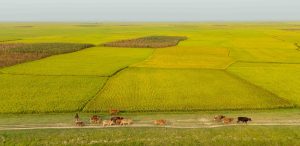
The countryside reveals a slower and more intimate side of the country. Green rice fields stretch across the landscape, ponds sit beside village homes, narrow roads connect communities, and local markets become gathering places for people from surrounding areas.
Rural Bangladesh is especially rewarding for travelers interested in photography, culture, geography, and everyday life.
Instead of simply passing through a village, take time to observe.
Meet local people. Visit a traditional workshop. Watch farmers working in the fields. Stop at a roadside tea stall. Explore a village market.
These simple experiences can become some of the most memorable parts of a Bangladesh cultural tour.
Discover the Hidden History of Bangladesh
Bangladesh has a remarkably rich history, stretching from ancient Bengal through the medieval period, the Mughal era, colonial rule, and the birth of modern Bangladesh.
Yet many historical places remain relatively unknown to international travelers.
Travel beyond the main tourist routes and you can discover ancient archaeological sites, historic mosques, temples, old trading centers, colonial buildings, traditional settlements, and forgotten river ports.
Sonargaon and Panam City
The historic region of Sonargaon was once an important center of trade and administration in Bengal.
Nearby, Panam City preserves a remarkable collection of historic buildings that reflect the region’s commercial past.
Walking through these old streets provides a glimpse into a different chapter of Bangladesh’s history.
Bagerhat and the Sixty Dome Mosque
In southwestern Bangladesh, Bagerhat is home to some of the country’s most significant Islamic architectural heritage.
The historic mosque city includes the famous Sixty Dome Mosque, a UNESCO World Heritage Site and an important example of medieval Bengal architecture.
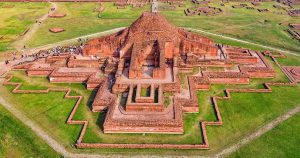
Paharpur and Mahasthangarh
For travelers interested in ancient history and archaeology, Paharpur and Mahasthangarh offer a completely different experience.
These sites reveal the depth of Bengal’s civilization and demonstrate that Bangladesh’s history extends far beyond the colonial and Mughal periods.
Exploring these places with context makes the experience much more meaningful than simply taking photographs and moving on.
Meet the People of Bangladesh
A destination is more than its monuments and landscapes.
One of the best ways to understand Bangladesh is by meeting the people who live here.
Visit a local market. Meet a craftsman. Watch fishermen bring in their catch. Talk with tea workers in Sreemangal. Visit rural communities. Share a traditional meal with local people.
Bangladeshis are known for their hospitality, and spontaneous conversations can sometimes become the most memorable part of a journey.
These moments offer something that no guidebook can provide: a personal connection with the country.
Explore Bangladesh Through Local Food
Food is another important part of experiencing Bangladesh culture.
Instead of limiting yourself to hotel restaurants, explore local food markets, neighborhood restaurants, traditional sweet shops, tea stalls, and family-run establishments.
Try regional specialties and discover how food changes from one part of Bangladesh to another.
From Dhaka’s street food and traditional Bengali dishes to the tea culture of Sreemangal and regional specialties across the country, food provides another way to understand the diversity of Bangladesh.
Bangladesh for Photographers and Travel Filmmakers
For photographers and filmmakers, Bangladesh offers endless visual stories.
Busy streets, colorful markets, traditional boats, rural landscapes, railway journeys, fishermen, craftsmen, tea gardens, historic architecture, festivals, and everyday human interactions create opportunities for authentic travel photography.
The most interesting photographs are not always found at famous landmarks.
Sometimes the strongest image is a fisherman preparing his boat at sunrise, a craftsman working inside a tiny workshop, or a village market coming alive in the early morning.
For visual storytellers, traveling off the beaten path can reveal Bangladesh at its most authentic.
What Is Travel in Bangladesh Really Like?
Traveling through Bangladesh can be an adventure.
Traffic in Dhaka can be intense. Public transportation can be crowded. Rural journeys may take longer than expected. Weather and river conditions can influence travel plans, and some destinations have fewer tourist facilities than major cities.
But these challenges are also part of the experience.
Bangladesh is not a destination where everything has been packaged exclusively for tourists.
If you travel with patience, curiosity, and an open mind, these differences can become part of what makes the journey special.
Best Places to Explore Beyond the Tourist Trail in Bangladesh
Depending on your interests and available time, an offbeat Bangladesh itinerary can include destinations such as:
- Old Dhaka – history, architecture, markets and local life
- Sonargaon – heritage and the history of Bengal
- Panam City – historic architecture and photography
- Sreemangal – tea gardens, forests and rural landscapes
- Bagerhat – medieval Islamic heritage
- Paharpur – ancient Buddhist archaeology
- Mahasthangarh – one of the country’s oldest archaeological sites
- Barisal – rivers, canals and floating markets
- The Sundarbans – mangrove forests and wildlife
- Rural Bangladesh – villages, agriculture, rivers and local culture
The best destination depends on what you want to experience. A photographer may prefer a different route from a history enthusiast, while a nature lover may want to spend more time around rivers, forests and wetlands.
Travel Bangladesh Like a Local
There is no single way to experience Bangladesh.
You can explore the country’s history through ancient archaeological sites, experience local culture in villages and markets, travel through the countryside by train or boat, photograph everyday life, or simply slow down and spend time with local communities.
The important thing is to look beyond the obvious.
At Bengal Expedition Tours, we design private and small-group journeys for travelers who want to discover Bangladesh through authentic experiences rather than simply following a standard sightseeing checklist.
Our goal is to connect travelers with the country’s history, culture, nature, people, and everyday life.
Discover the Bangladesh Beyond the Postcards
From the energetic streets of Old Dhaka to peaceful riverside villages, from the tea gardens of Sreemangal to the historic ruins of Sonargaon and Paharpur, Bangladesh offers countless experiences beyond its best-known tourist attractions.
You don’t have to travel far from the popular destinations to find something unexpected.
Sometimes, you simply have to look differently.
Go beyond the tourist trail. Meet the people. Follow the rivers. Explore the history. Experience the real Bangladesh.
With Bengal Expedition Tours, discover a side of Bangladesh that many travelers never get to see.